Want to know what top B2B sales consulting firms know that your sales leaders are probably completely overlooking right now?
Internal sales teams work hard. They’re the lifeblood of your business; without them, you wouldn’t have much way to offer your product or service to prospective clients. They know your business, your product, and your market.
But in reality, they are often too close to the action to see the full picture.
Blind spots form. Habits harden. That’s when growth stalls. Uh oh, not good.
Top B2B sales consulting firms make their living spotting what your internal team overlooks. They see the patterns, cut through excuses, and show you where your sales machine is leaking revenue.
Before we get into a conversation about how internal teams struggle to recognize blind spots, let’s clearly define what we mean when we say “sales consulting.”
What is Sales Consulting, and How Does it Work?
Sales consulting is a type of business advisory that focuses on helping organizations develop strategies to grow their businesses. Sales consultants are experts in the field of sales; they work closely with clients to identify opportunities and challenges, provide advice and guidance, and then recommend solutions to those issues.
What is a sales consulting company typically hired to solve?
This can include developing sales strategies, teaching sales techniques, providing ongoing coaching to sales reps and sales leaders, and helping you understand the psychology of selling and how to better connect with your customers. Sometimes, a sales consultant may be brought in as a Sales Manager for an organization’s entire sales operation.
A great sales consultant can transform businesses by taking a strategic, analytical, and creative approach to sales. First, they will work with you to understand what’s working and what’s not and where you want to be. Then they will develop a sales approach tailored to your specific needs and goals and combine that with sales coaching and training. When you work with a great sales consulting firm, you get a customized sales consulting experience that can help transform how your organization navigates sales, sales leadership, and sales-specific hiring processes.
Check out our blog for more information about sales consulting, how it works, and how we help clients scale their sales efforts.
Now, let’s talk about what sales consulting firms can see that your internal teams might miss.
Sales Consulting Firms Prefer Objectivity Over Familiarity
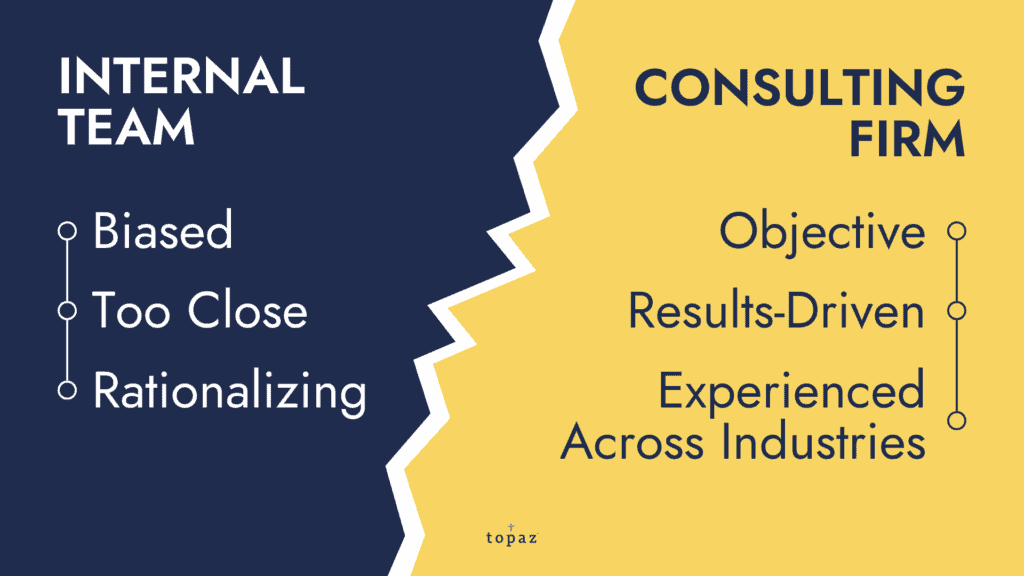
On one hand, your internal team has bias. It’s inevitable.
They’re immersed in your culture, tied to existing processes, and often protective of the way things have always been done. That comfort is exactly what slows change.
On the other hand, a sales consulting firm doesn’t carry that baggage.
They aren’t blinded by “this is how we do it here.” They diagnose problems without internal politics clouding judgment. Consultants come in with one agenda: find the truth and improve results.
Internal teams rationalize weak results. Consultants expose them.
When an external partner points out that your team is chasing the wrong prospects, skipping discovery questions, or hiring for “likeability” instead of proven sales DNA, it’s not a personal attack.
The Power of a Buyer Facilitator (vs. Traditional Selling)
Most internal teams default to pitch mode. They get excited about features, talk too much, and skip the one skill buyers actually value: listening.
Top sales consulting firms flip that script with dynamic sales training.
They train teams to become Buyer Facilitators, not traditional salespeople. That means asking thoughtful, open-ended questions, uncovering pain, and guiding buyers toward their truth, even if that truth is “no.”
Traditional selling sounds like: “Here is why our product is amazing.”
Buyer facilitation sounds like: “What is your biggest challenge right now, and what have you tried to fix it?”
The difference is credibility. When your reps focus on discovery over persuasion, buyers stop holding back and start opening up. That’s how you move from transactional selling to building long-term, trust-based relationships.
Sales Hiring: The Silent Killer of Growth?
Most organizations hire salespeople the same way they hire any other role. That is a recipe for disaster.
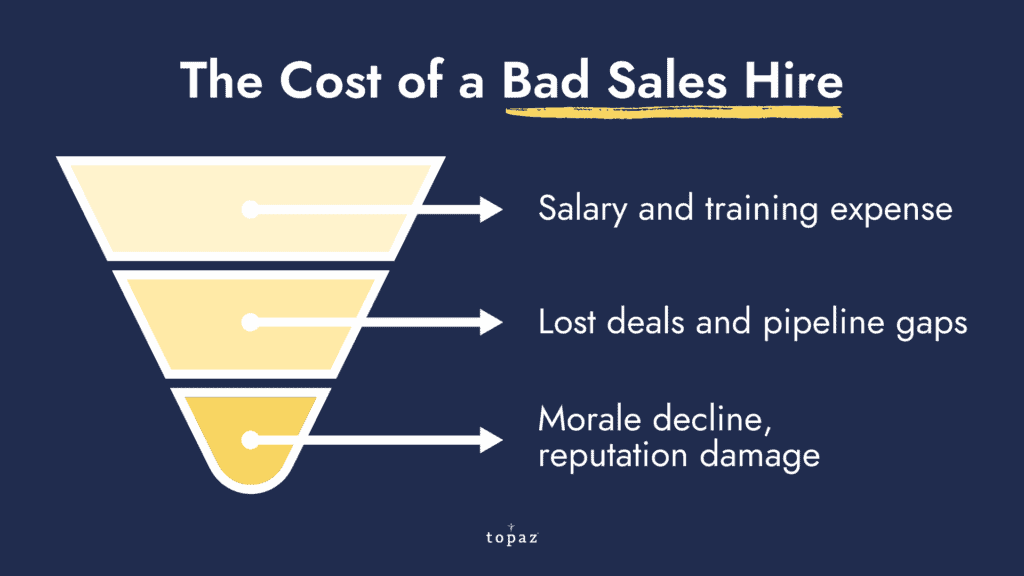
Consultants know the truth. A bad sales hire does not just cost salary. It drains time, destroys morale, and poisons customer relationships.
We’ve seen it repeatedly. Companies bring in a rep who interviews well but lacks the resilience, empathy, or curiosity needed to succeed. Six months later, deals are lost, accounts churn, and leadership wonders what went wrong.
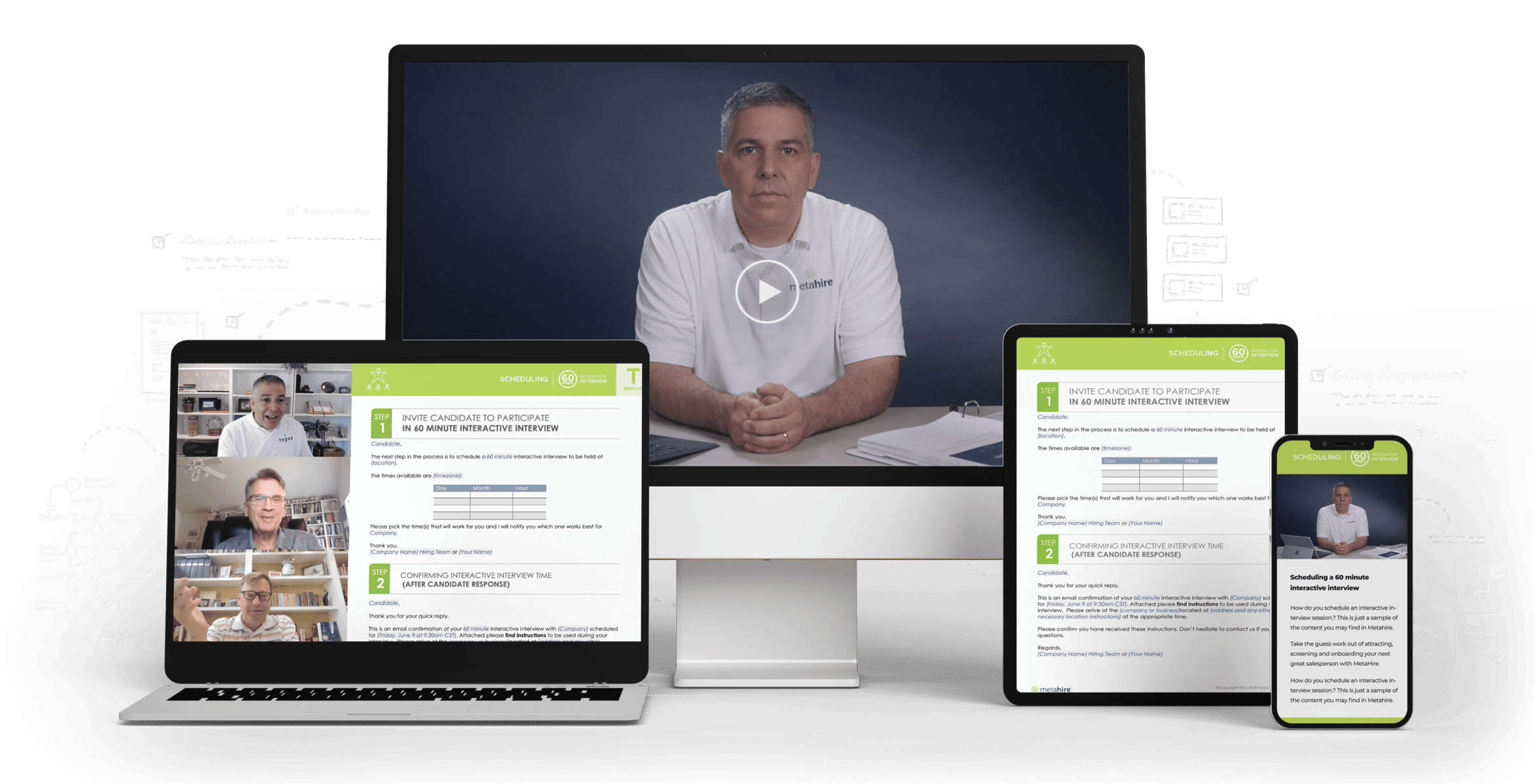
Sales consulting firms should implement sales hiring processes designed specifically for sales. Tools like our MetaHire System identify the DNA of top performers and weed out the smooth talkers who crash when reality hits.
Coaching and Leadership Development
Internal leaders often confuse managing with coaching. They track numbers, conduct pipeline reviews, and issue directives. Genuine sales coaching, the kind that builds skills and accountability, is rare.
Consultants recognize that without leadership coaching, even the best strategy can fail. That’s why top firms dedicate 50 percent or more of their process to coaching reps and managers.
Good coaching is not about micromanaging. It is about sharpening the way reps ask questions, challenge assumptions, and handle tough conversations. It is also about pushing leaders to stop hiding in spreadsheets and start shaping behavior.
Leveraging Empathy and Questioning Skills
Prospects do not trust traditional salespeople. Sorry to say it. It’s just the truth, and a battle we all face daily in our profession.
They’ve been burned too many times by pushy reps and empty promises. That skepticism is their default setting, and it’s up to you to overcome those objections, obstacles, pushback, or whatever you want to call it.
So, where do sales consulting firms come into play on this one? We train sales teams to overcome it by asking better questions.
We want to be clear: empathy is not “going soft”, it’s strategic. When sales reps uncover personal and business pain points by pushing prospects to dig deeper, they move the relationship forward and build trust.
But here’s the issue… internal sales teams often skip this step not only because it takes time but they’ve been trained to go straight into the features, benefits, and slick slideshow.
More often than not, we see teams that encourage quick and pushy onboarding, resulting in salespeople focused on the pitch rather than the person they’re trying to sell to/work with.
That’s the mistake. Thoughtful questions are not just about gathering data (although data is critical these days), they are about earning the right to be trusted.
Read our article: What a Sales Consultant for Small Business Does (And Why It’s Not What You Think)
Technology and Process Optimization
Internal teams love tools like CRMs, automation, and AI. However, without a strategy, technology can become a distraction.
Top sales consulting firms understand that technology only works when it’s integrated with a well-defined process. They align tools with buyer behavior, ensuring sales reps don’t just log activity but actually advance deals.
If you’re already using AI to automate emails, great. You’ve taken one of the first steps on your own.
But it’s likely (if you’re like most small or medium-sized businesses) that you don’t have the right technology or automations in place that help your team consistently make marked improvements in the sales process. Your CRM should truly act as a single source of truth and a reliable source of information.
Long story short, sales consultants help you avoid tech bloat and focus on tools that create real movement in the sales cycle.
When You Should Bring in a Sales Consulting Firm
Your internal team isn’t broken, it’s just blind to its own weaknesses. The question is: when do you bring in outside help from a sales consulting firm?
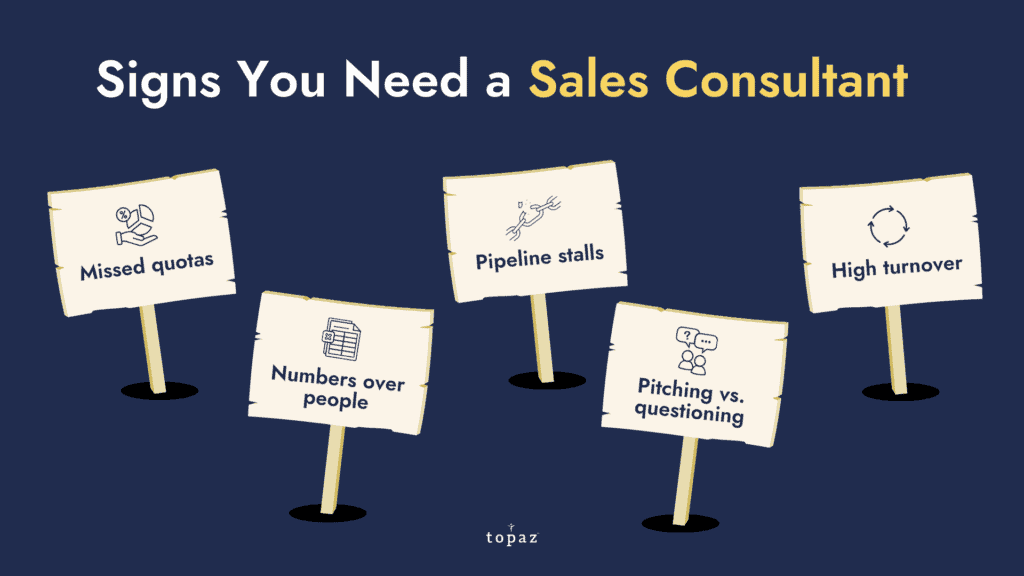
Signs it’s time:
- Consistent missed quotas.
- Deals stalling mid-pipeline.
- Sales turnover is high.
- Leaders manage numbers, not people.
- Reps pitch features instead of asking questions.
If you notice these patterns, the cost of maintaining the status quo is far higher than the cost of hiring outside assistance.
The ROI of Outside Perspective
Internal teams bring passion. External consultants bring clarity. Put them together and you get growth.
The blind spots your team can’t see will continue to drain revenue until someone shines a light on them. That’s what the top B2B sales consulting firms do. They expose what is holding you back, fix it, and equip your team to sell in a way buyers actually respect.
If you’re tired of pushing harder without seeing results, remember that it’s not always just a matter of effort in = better outcomes. You need to consider changing your perspective about sales, too.
Don’t let your team keep missing what outsiders can see in minutes. Reach out.
FAQs
How do I know we need B2B sales consulting rather than just “more leads”?
Win rates are slipping, deals stall in the middle stages, managers live in forecasts instead of coaching, or discounts are the only lever that moves deals? You have a system issue, not a top-of-funnel issue. A B2B sales consulting firm refines definitions, conversations, and coaching to optimize the existing pipeline’s conversion.
What outcomes should we expect in the first 90 days of a sales consulting engagement?
Cleaner pipelines, fewer “maybe” deals, stage-exit compliance, buyer-owned next steps, and a weekly coaching cadence that improves call quality. Revenue lift typically follows your sales cycle, but leading indicators, such as time-in-stage and next-step slippage, improve quickly.
Will we have to change our CRM or tech stack?
Usually no. A good sales consulting partner tightens stage gates, fields, and workflows inside the CRM you already use. If tooling is the constraint, we recommend light adjustments or add-ons, but process comes first and tech supports it.
What’s the difference between sales training and B2B sales consulting?
Sales training teaches skills. B2B sales consulting designs the system that those skills live in: tight definitions, a repeatable conversation, a manager coaching rhythm, and instrumentation that drives behavior. Training sticks when the system reinforces it. We combine the best of both to give you a well-rounded experience, both consultative and hands-on.