A full pipeline feels good. The numbers look strong on the dashboard. The team is upbeat. Then reality sets in. Much of that pipeline is built on assumptions, not commitments. Conversations that felt solid lose momentum. Deals that were “just waiting for paperwork” disappear.
Activity feels high, but progress feels slow.
That is usually when leaders start looking for a sales consulting company. The instinct is often to add more activity, more pitches, and more pressure. In truth, the real fix is rarely more volume. It is a shift to a sales culture that wins through trust instead of force.
The Real Difference
Yes, a good sales process can work across industries and company cultures. The difference is in how it is applied.
Many firms train teams to push harder, talk more, and handle objections. The buyer ends up feeling managed instead of understood. A better approach focuses on uncovering pain, building trust, and guiding the buyer to a decision they feel confident about.

That Means
- Asking the questions no one else is asking
- Listening with infinite curiosity until the real issue surfaces
- Making the buyer the hero of the decision instead of the target of a pitch
- Equipping leaders to coach these skills until they become part of the team’s culture
- Hiring salespeople who can thrive in this approach instead of resisting it
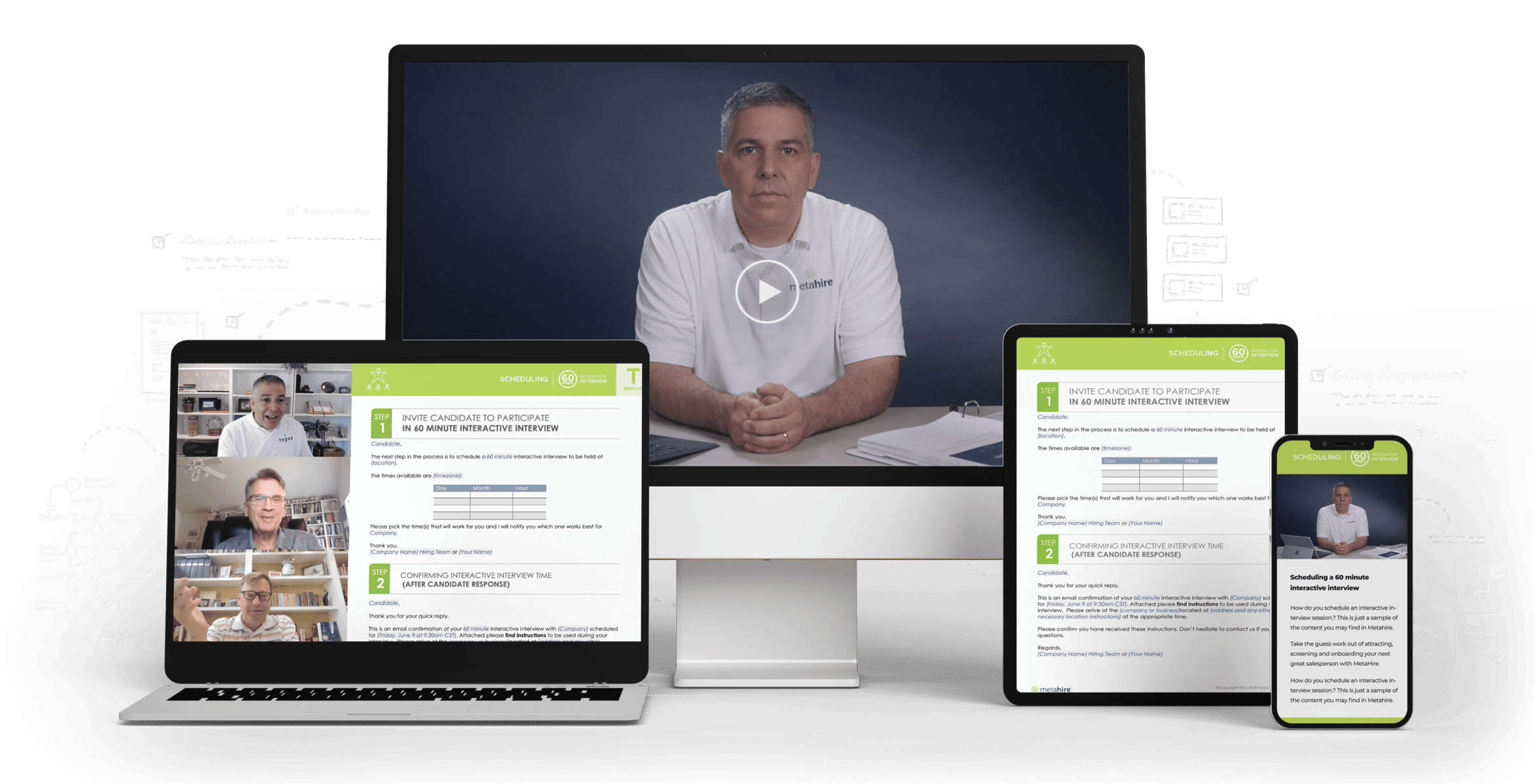
- Providing weekly live coaching sessions where reps bring real deals, real objections, and real challenges to the table so they can get immediate guidance and apply it the same day
This last point is often overlooked. Training alone changes knowledge. Ongoing, live coaching changes behavior. It turns theory into action, especially when the advice is tied to the deals currently sitting in the pipeline.
Case in point: A manufacturing client came with a “full” pipeline but close rates under 20 percent. Reps pitched hard, rattled off features, and walked away frustrated when deals went dark. Trust-based sales process training and weekly coaching calls taught them to slow down, uncover operational challenges, and connect the dots to real financial impact. Within six months, close rates climbed to 42 percent, and average deal size grew by 30 percent without adding a single lead. Trust outperformed pressure.
The 5 Reasons Companies Call a Sales Consulting Firm
1. “We do not have a consistent process.”
Most teams do: Drop in a rigid methodology and expect everyone to follow it exactly.
What works better: Use a proven process as a flexible framework. Train reps to follow it as a guide for uncovering pain and earning trust, and reinforce it through weekly live coaching where current deals are dissected and strengthened.
2. “We cannot seem to keep good salespeople.”
Most teams do: Hire the person with the flashiest résumé and hope they work out.
What works better: Run a sales-specific hiring process that screens for curiosity, coachability, and the will to sell, then give those hires consistent live coaching to shorten their ramp-up time and help them win earlier.
3. “Our revenue is flat or dropping.”
Most teams do: Turn up the heat with higher quotas and more activity targets.
What works better: Fix the discovery skills, value messaging, and leadership coaching. Use weekly coaching sessions to troubleshoot live opportunities so improvements show up in the numbers quickly.
4. “Our managers are not leading.”
Most teams do: Promote their best seller and hand them a team.
What works better: Train managers to coach to behaviors, not just results, and use recurring coaching forums to model how to work through real-world challenges with their reps.
5. “We have a big launch coming up.”
Most teams do: Schedule a single high-energy training right before the big day.
What works better: Equip the team months ahead with a process that builds trust from the first conversation, and hold weekly coaching calls so the team gets sharper with each practice run before the launch.
Buyers can smell a pitch before it even starts. The moment they feel sold to, they pull back.
When the conversation is about them, when you take the time to uncover their real pain and help them see the cost of not fixing it, the dynamic changes. Trust replaces tension. Buyers lean in. Decisions happen faster.
The process is consistent and proven across industries. The difference is that it is used as a framework for connections, supported by continuous coaching that addresses live opportunities in real time. That is how skills move from the training room into the field.
Resource for Leaders: Sales Consultant Vetting Checklist
The wrong consultant costs more than money. It costs time, momentum, and deals.
To save you time, we created a Sales Training & Consulting Partner Vetting Checklist you can use during your sales consultant search.
Inside, you’ll find the questions to reveal substance and a scoring system that exposes who can deliver. Use it live in your meetings, then compare firms side by side afterward.
This checklist helps you uncover:
- Whether a consultant builds trust or pushes for the quick yes
- If they can coach your team in real time on live deals, not just in theory
- How they diagnose problems before prescribing solutions
- Whether they adapt to your team’s culture or force a rigid playbook
- How they measure success and accountability

Teams Who Make This Shift See
- Sales conversations that move the deal forward
- Shorter sales cycles without pressure tactics
- Higher win rates from the same number of opportunities
- Leaders who can coach trust-based selling into daily habits
- Lower turnover because the right people were hired from the start
- Faster application of skills because challenges are solved in real time
Your sales team is not broken. It’s misaligned.
Imagine what happens when that changes.
Your pipeline is full of opportunities that actually close. Reps are confident, prepared, and spending their time on the right prospects. Managers are coaching in real time, guiding deals forward instead of just tracking them. New hires ramp up fast because they were the right fit from day one.
Align the process, the leadership, and the hiring, and everything changes. Deals close faster. Buyers trust you more. Your team spends time on the right opportunities and wins more of them.
You do not have to overhaul your business. You have to align it.
Topaz Concepts That Shift Sales Results
At Topaz Sales Consulting, we don’t teach people how to sell. We help them unlearn what gets in the way of helping people buy. Here are a few core ideas that shape every engagement:
Buyer Facilitator > Closer
Forget the pitch. Top producers are calm, curious, and confident enough to let the buyer lead. They ask better questions. They listen longer. And they earn trust faster.
People lean in when you stop trying to convince and start trying to understand.
Infinite Curiosity
Scripts don’t close deals, conversations do. We teach people to approach every interaction like a true helper: curious, detached from the outcome, and relentlessly focused on buyer clarity.
The goal isn’t to say the right thing. It’s to uncover the real thing.
Will Over Skill
We screen for salespeople who want to grow, not just those who’ve been around the block. Experience is nice. Coachability is non-negotiable.
We’d rather hire a teachable rookie than a know-it-all veteran who stopped learning five years ago.
Trust Is the Shortcut
Topaz-trained teams don’t sell faster by pushing harder. They sell faster because buyers trust them sooner. That’s not a personality trait; it’s a learned skill set.
People buy from people they trust.